📋 Table of Contents
Finding a custom logo placement leggings manufacturer 100 pieces minimum order sounds straightforward until you ask about specific logo positions, fabric compatibility, or revision limits. Many factories advertise low minimums, then change terms when you request a thigh logo instead of a standard waistband print, or when you want a custom fabric blend instead of stock polyester-spandex. Founders validating their first yoga apparel line need transparent MOQ rules, placement-specific guidance, and a quality control process that catches defects before bulk production ships.
Leggings stretch 20-40% during wear, which means logo placement directly affects durability, visibility, and comfort. Each zone on the garment experiences different tension levels and wash-cycle stress.
The waistband is the most requested zone for custom branding. Logos sit 1-2 inches below the top elastic band, centered or positioned at the back yoke. This area stretches minimally during wear (8-12% compared to 25-35% at the thigh), making it compatible with heat transfer, screen print, and woven labels. Founders choose waistband placement when they want the logo visible during product photography and social media flatlays. The downside is that high-rise leggings often fold the waistband during deep squats, temporarily hiding the branding.
Outer thigh logos (typically 3-5 inches below the hip seam) offer high visibility during movement and photography. This zone stretches significantly, so decoration methods must flex without cracking. Heat-transfer polyurethane films rated for 4-way stretch fabrics work well here; standard screen-print plastisol inks often crack after 10-15 wash cycles. Left-thigh placement is more common than right because most product photos and mirror selfies favor the left side. Buyers report that some manufacturers quote a waistband logo at the advertised 100-piece MOQ but require 200-300 pieces when the logo moves to the thigh, citing higher setup waste during cut-and-sew.
Calf logos sit 6-8 inches above the ankle hem, offering subtle branding that stays visible when wearing cropped tops or during seated poses. This zone experiences moderate stretch (15-20%) and less abrasion than the thigh. Hem placement (1-2 inches above the ankle cuff) works for small wordmarks or care-instruction labels. Both zones are compatible with embroidery, heat transfer, and screen print, but small text below 0.3 inches becomes illegible after fabric stretch.
Performance leggings use 75-85% polyester or nylon blended with 15-25% spandex or elastane. Not every decoration method survives the stretch-and-recovery cycles that yoga and activewear demand.
Heat-transfer films bond to fabric under heat and pressure (typically 160-180°C for 12-18 seconds). Polyurethane (PU) films rated for 4-way stretch fabrics remain the most popular choice for thigh and hip logos. The film stretches with the garment and survives 50+ industrial wash cycles without cracking when applied correctly. Setup costs include film cutting or printing ($80-$150 per design), and per-piece application adds $0.40-$0.80 depending on logo size. Films come in matte, gloss, metallic, and reflective finishes. The limitation is fine detail: text smaller than 0.25 inches or intricate line art often loses clarity after the fabric stretches.
Screen printing uses a mesh stencil to apply ink directly onto fabric. Water-based inks penetrate the fabric fibers and feel softer than plastisol, but they require heat curing and work best on lighter-colored fabrics. Plastisol inks sit on top of the fabric and offer vibrant colors on dark leggings, but standard plastisol formulations crack on high-stretch zones after 10-20 washes. Flex or stretch-additive plastisol inks solve this but cost 15-20% more per print. Screen setup runs $120-$200 per color, so multi-color logos become cost-prohibitive below 200-piece orders. Per-piece print costs range from $0.50 for single-color waistband prints to $1.80 for three-color thigh placements.
Embroidery stitches thread directly into the fabric, creating a raised, textured logo. It works well on waistbands, calf placements, and low-stretch zones, but high-stretch areas (thigh, hip) can pucker or distort the design during wear. Digitizing the embroidery file costs $50-$100 per design. Per-piece embroidery runs $1.20-$2.50 depending on stitch count (logos with 5,000-8,000 stitches are common). Embroidery adds a premium, durable feel but increases garment weight slightly and can irritate skin if placed on high-contact zones.
Woven labels (fabric tags with your logo woven in) attach to the waistband interior or exterior. They survive unlimited wash cycles and cost $0.15-$0.35 per label at 500-piece minimums, dropping to $0.08-$0.12 at 2,000+ pieces. Printed satin or polyester labels cost less ($0.05-$0.15 each) but fade faster. Many founders use woven labels for the main brand tag and printed labels for care instructions.
Advertised minimums often shift when you specify custom fabric, custom colors, or multiple logo placements. Transparent MOQ rules prevent surprises during the quoting process.
If you choose from the factory’s existing fabric library (common blends: 75% polyester / 25% spandex, 80% nylon / 20% spandex) and select from in-stock colors (black, navy, charcoal, burgundy, olive are typical), the custom yoga apparel manufacturer can often meet a 100-piece total order with a single logo placement (waistband or thigh). At Walundi, stock-fabric orders with heat-transfer or screen-print logos start at 30 pieces per SKU, so a 100-piece order could cover three colorways (black, navy, charcoal) at 30-35 pieces each.
Custom fabric blends (for example, adding recycled polyester to meet GRS certification, or requesting a specific hand-feel) typically require 300-500 meters minimum per colorway, which translates to roughly 200-300 leggings depending on pattern efficiency. Custom Pantone color dyeing also raises minimums because dye lots require 100-150 kg of fabric to achieve consistent color matching. Founders validating a new fabric blend should request lab dips (color samples on small fabric swatches) and a 1-piece sample before committing to the higher minimum. In our 12+ years manufacturing yoga apparel in Yiwu, we’ve seen founders lock up $8,000-$12,000 in inventory by ordering custom fabric at 500-piece minimums before confirming the hand-feel and performance in real wear-testing.
Adding a second logo placement (waistband plus thigh, or thigh plus calf) increases setup costs and production time. Each placement requires its own film cut, screen setup, or embroidery programming. Factories often require 150-200 pieces minimum when you request two placements, because the cut-and-sew line must pause twice per garment for decoration. Multi-color logos (two or three colors in one design) add $120-$200 per color for screen setups, making them economical only above 200-300 pieces unless you use heat-transfer film with pre-printed multi-color designs.
First-time founders often skip critical steps between the initial sample and bulk production, which leads to sizing inconsistencies, print misalignment, or fabric-weight surprises in the final shipment.
Request a 1-piece sample with your logo applied in the exact placement, size, and method you plan for bulk. Specify whether you want heat transfer, screen print, or embroidery, and provide vector artwork (AI, EPS, or high-resolution PDF formats work best). The factory should confirm artwork resolution, color matching (Pantone codes or PMS numbers), and logo dimensions before creating the sample. Sampling time runs 7-10 days for stock fabrics and 14-18 days if custom dyeing or fabric sourcing is required. Sample costs typically range from $40-$80 per piece including logo application and international shipping.
Wear the sample through a full yoga or workout session. Check for waistband roll-down, seam chafing, opacity during stretches (squat-proof testing), and logo durability after one wash cycle. Compare the fabric hand-feel, compression level, and moisture-wicking performance against your target benchmarks. If the fabric feels too thin, too stiff, or the logo cracks after washing, request adjustments before approving bulk production. Many founders order 2-3 samples in different sizes (S, M, L) to validate the grading accuracy across the size run.
Once you approve the initial sample, request a pre-production sample made on the actual bulk-production line using the same fabric lot, dye batch, and decoration setup that will be used for your 100-piece order. The PPS confirms that the factory can replicate the approved sample at scale. This step catches issues like thread-color mismatches, logo-placement drift (common when operators switch between different legging styles), or fabric-weight variations between dye lots. Factories should provide the PPS within 5-7 days after you approve the initial sample and place the bulk order deposit.
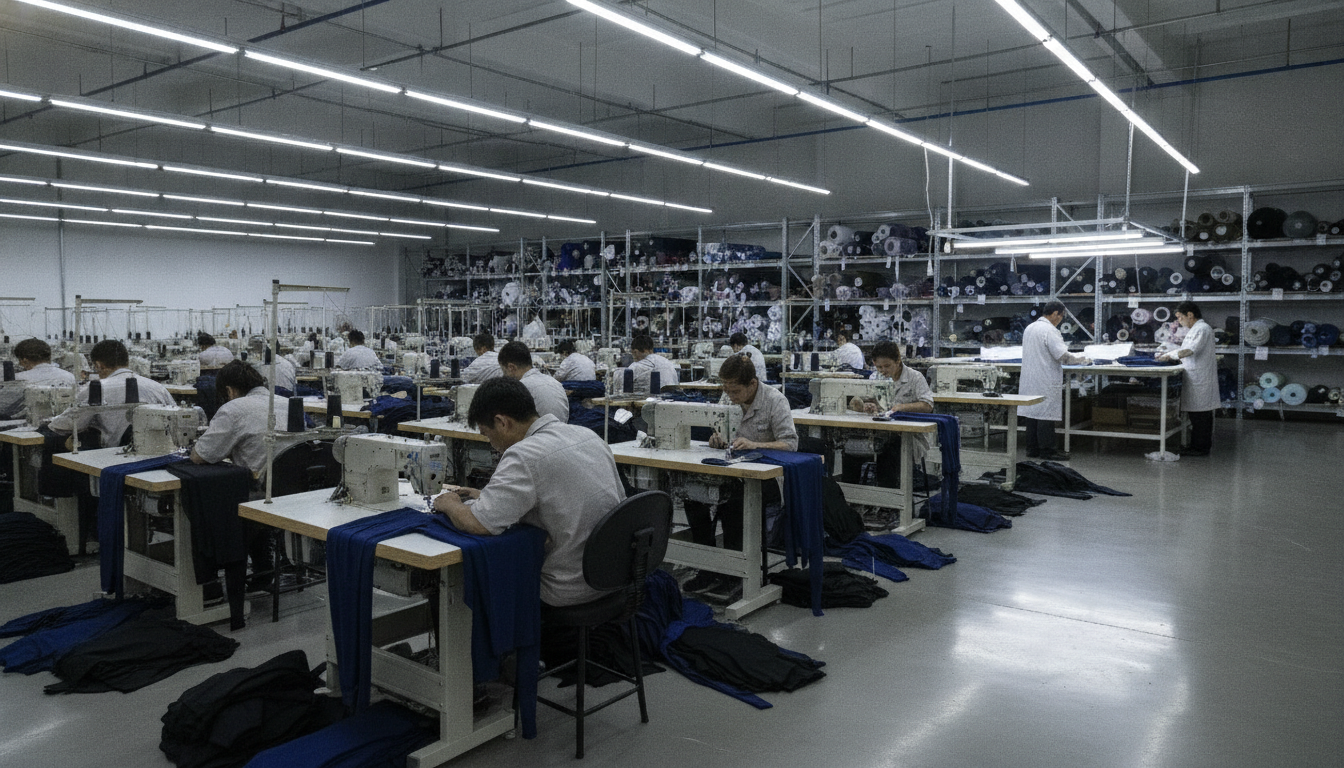
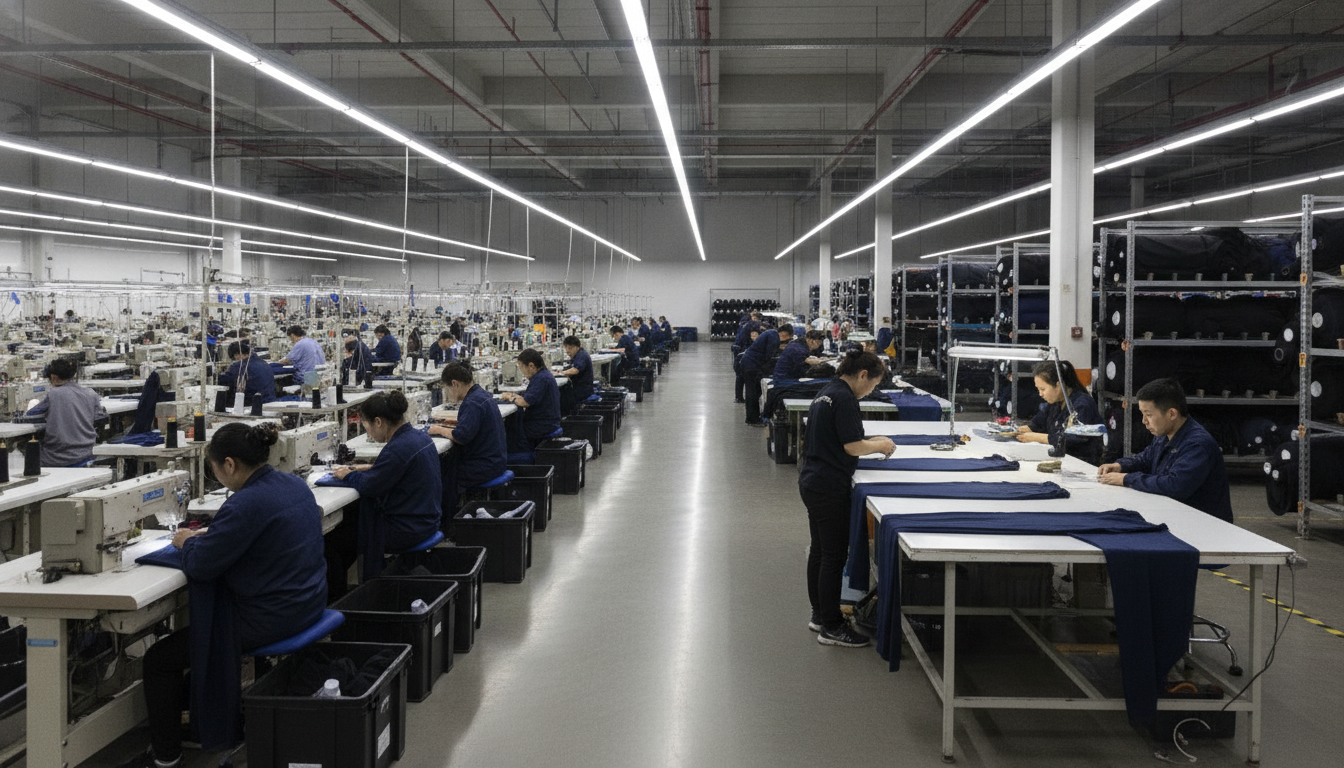
For 100-piece orders, request photo updates at three checkpoints: fabric inspection (before cutting), mid-production (after 30-40% of units are sewn), and final inspection (before packing). In-line inspections catch defects early, reducing the rejection rate in the final shipment. Final inspection should follow AQL (Acceptable Quality Level) standards, typically AQL 2.5 for major defects and AQL 4.0 for minor defects on small-batch activewear runs. Our 18,000m² Yiwu facility runs in-house QC with trained inspectors who check every garment for stitch integrity, logo alignment, and fabric flaws before packing.
Small-batch orders face higher per-unit defect risk because factories sometimes deprioritize QC when the order volume is low. A detailed checklist ensures you receive production-ready inventory.
Hidden costs often appear after the initial quote, especially for packaging, labels, and shipping. An itemized breakdown prevents budget surprises.
Sample MOQ: 1 piece. Bulk MOQ: 30 pieces per SKU. Lead time: 7-10 days sampling, 21-28 days bulk production, 18-22 days ocean freight from Ningbo to US West Coast.
In practice: A UK yoga studio founder ordered 1-piece samples in three colorways (black, navy, olive) with a left-thigh heat-transfer logo, validated fit and logo durability after five wash cycles, then placed a 90-piece bulk order (30 per color) without custom fabric minimums, receiving the shipment in 52 days total from sample request to UK warehouse delivery.
Communication delays and vague artwork requirements cause the majority of logo-placement issues. Founders discover that the factory did not confirm logo dimensions, color codes, or revision limits up front, leading to back-and-forth emails that push timelines by 10-15 days. When requesting a quote for a custom logo placement leggings manufacturer 100 pieces order, ask the factory to provide:
Transparent factories provide a production calendar with milestone dates (fabric arrival, cutting start, sewing completion, QC inspection, packing, and shipment) so you can plan inventory and marketing launches. Vague timelines like
Sample 1 piece · bulk from 30 · OEKO-TEX & GRS certified · reply in 24h. No gatekeeping.
Low MOQ. Sustainable fabrics. OEM ready. Tell us your vision.
Click the button below to open WhatsApp. If you're not logged in to WhatsApp Web yet, scan the QR code first — then come back here and copy the message into the chat.