📋 Table of Contents
Sourcing a lululemon dupe activewear manufacturer that can deliver buttery-soft, high-hold leggings at DTC-friendly minimums is the difference between launching a test run and burning $20,000 on inventory you can’t move. While the activewear market was valued at over $30 billion in 2024 according to Grand View Research, many startup founders find that finding the right factory still comes down to one question: who can produce lululemon-quality fabric and stitching without demanding a 1,000-unit commitment?
The demand for lululemon-quality leggings without the $98+ price tag has exploded. DTC brands that position themselves as a premium dupe with better sustainability credentials and inclusive sizing are capturing a loyal, high-margin segment. According to Statista, the global activewear market reached $384 billion in 2024, with leggings and sports bras making up over 25% of units sold.
A ‘dupe’ no longer means a cheap knockoff; it refers to a high-performance legging with a similar fabric hand, compression level, and flatlock stitching, but without the brand markup. Many consumers now seek a custom yoga apparel manufacturer that can replicate the soft-brushed nylon-spandex feel and achieve a 4-way stretch that holds up through hot yoga and HIIT.
In our 12+ years manufacturing yoga apparel in Yiwu, we’ve watched boutique studios and micro-brands grow by selling to women who want Lululemon’s quality but prefer to support smaller, more transparent labels. These buyers compare fabric weight, gusset design, and squat-proof opacity before purchase, which forces a manufacturer to nail the technical details, not just the look.
Not every factory that labels itself a lululemon dupe activewear manufacturer actually specializes in the category. The following three criteria separate real partners from generic cut-and-sew operations that happen to have a few yoga patterns on file.
A genuine yoga apparel factory offers a bulk MOQ of 30 pieces per SKU. This lets you test 5 designs with only 150 units total, keeping your first order between $1,500 and $2,500. Avoid factories that push 500-piece minimums for leggings-they are optimized for large sportswear brands, not emerging DTC labels. A low MOQ yoga manufacturer will also stock base fabrics locally so you can skip massive raw-material deposits.
Certs are the only objective way to verify that a factory’s claims about recycled content or chemical safety are real. Without them, you’re gambling your brand reputation on a supplier’s verbal assurance. The table below lists the three certifications every lululemon dupe activewear manufacturer should hold.
A true dupe manufacturer will send you swatch books with multiple nylon-spandex blends (typically 75-80% nylon, 20-25% spandex) and invite you to specify your preferred brushed face, compression rating, and opacity level. Ask for a squat test video and a 50-wash cycle durability report. If the factory can’t produce these, the leggings likely won’t match Lululemon’s buttery feel after a few gym sessions.
Most US DTC founders source from three Chinese clusters, but each has a distinct specialty. Picking the wrong region can add 15-20 days to sampling and raise per-unit costs by $2 or more.
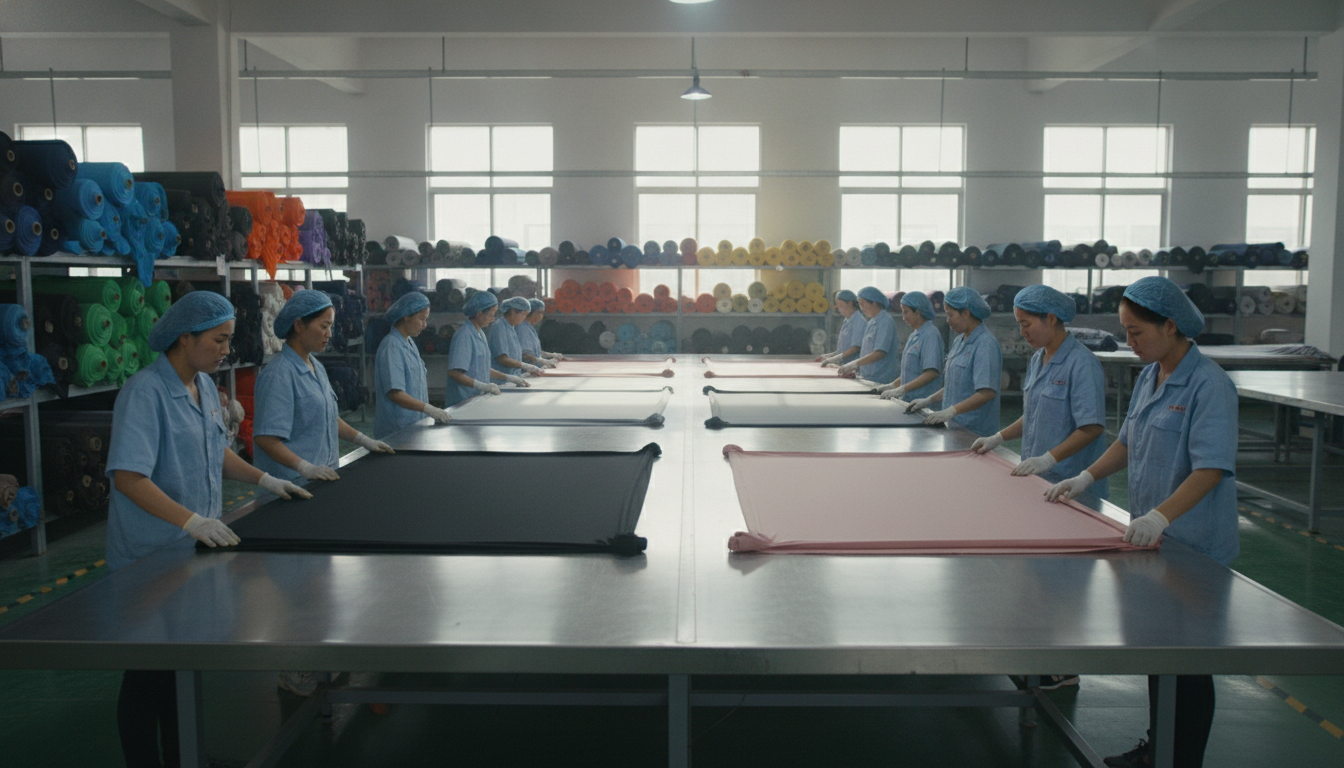
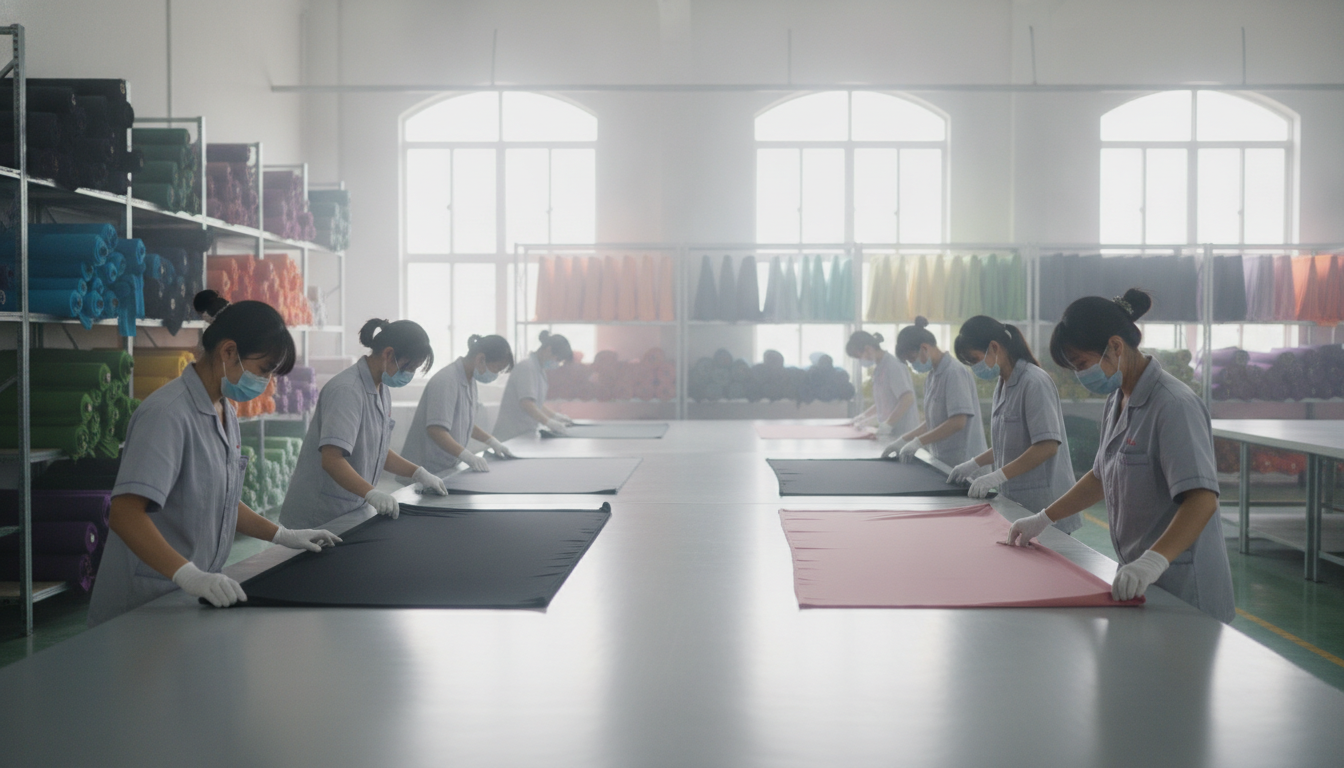
Yiwu has emerged as the top hub for boutique yoga brands because dozens of vertically integrated factories run short production lines dedicated to leggings and sports bras. These factories often maintain an in-house pattern studio and can turn a 1-piece sample in 7-10 days. An 18,000m² facility in Yiwu can ship 2.4 million pieces per year while still accepting 30-piece orders. Proximity to Ningbo port keeps sea freight to the US West Coast at 18-22 days.
Guangzhou excels at fast fashion turnaround, but activewear-specific factories there frequently demand 300-500 piece minimums because their lines are designed for bulk woven products. If you need ultra-fast 5-day sampling on a simple seamless top, Guangzhou can deliver, but the MOQ trade-off rarely suits a DTC launch.
Fujian is home to large sportswear OEMs that serve international brands like Nike and Adidas. Their technical capabilities are undeniable, but they won’t entertain orders under 1,000 units per style. For a lululemon dupe activewear manufacturer that works with startups, Fujian is almost always a mismatch.
Sustainability is no longer a differentiator-it’s a minimum entry requirement for DTC activewear. Textile Exchange’s 2025 report shows recycled polyester reached 7.5% of global polyester output in 2024, and US consumers increasingly expect leggings made from recycled bottles or regenerated nylon. A sustainable yoga clothing manufacturer should offer at least three eco-fabric families.
Beyond performance leggings, many boutique brands launch matching lounge sets in GOTS-certified organic cotton French terry. This fabric appeals to the yoga-to-coffee crowd and carries a premium price point of $55-$75 per set, with a per-unit cost around $9-$12 at 100-piece quantities.
GRS threshold: 20% recycled content minimum, plus verified chain of custody. OEKO-TEX: tests for formaldehyde, heavy metals, and over 1,000 regulated substances.
Without these certs, you risk FTC fines in the US for making false environmental claims. A factory that holds both certs will supply you with a transaction certificate for every order, which you can display on your product pages to build trust.
Even a factory that lists all the right buzzwords can be a shell operation that passes orders to a subcontractor. These three verification steps protect you from quality disasters and disappearing deposits.
Sample 1 piece · bulk from 30 · OEKO-TEX & GRS certified · reply in 24h. No gatekeeping.
Low MOQ. Sustainable fabrics. OEM ready. Tell us your vision.
Click the button below to open WhatsApp. If you're not logged in to WhatsApp Web yet, scan the QR code first — then come back here and copy the message into the chat.