
📋 Table of Contents
When you’re building a yoga or activewear line, the buttery soft handfeel vs compression fabric comparison activewear decision shapes your product positioning, cost structure, and customer retention. A buttery-soft legging that turns sheer after three washes or a compression fabric that arrives stiffer than your approved sample can kill a launch before you hit product-market fit.
measurable fabric specs, activity-based selection criteria, and the manufacturing realities that determine whether your first order matches your sample or becomes a costly lesson in supplier communication.
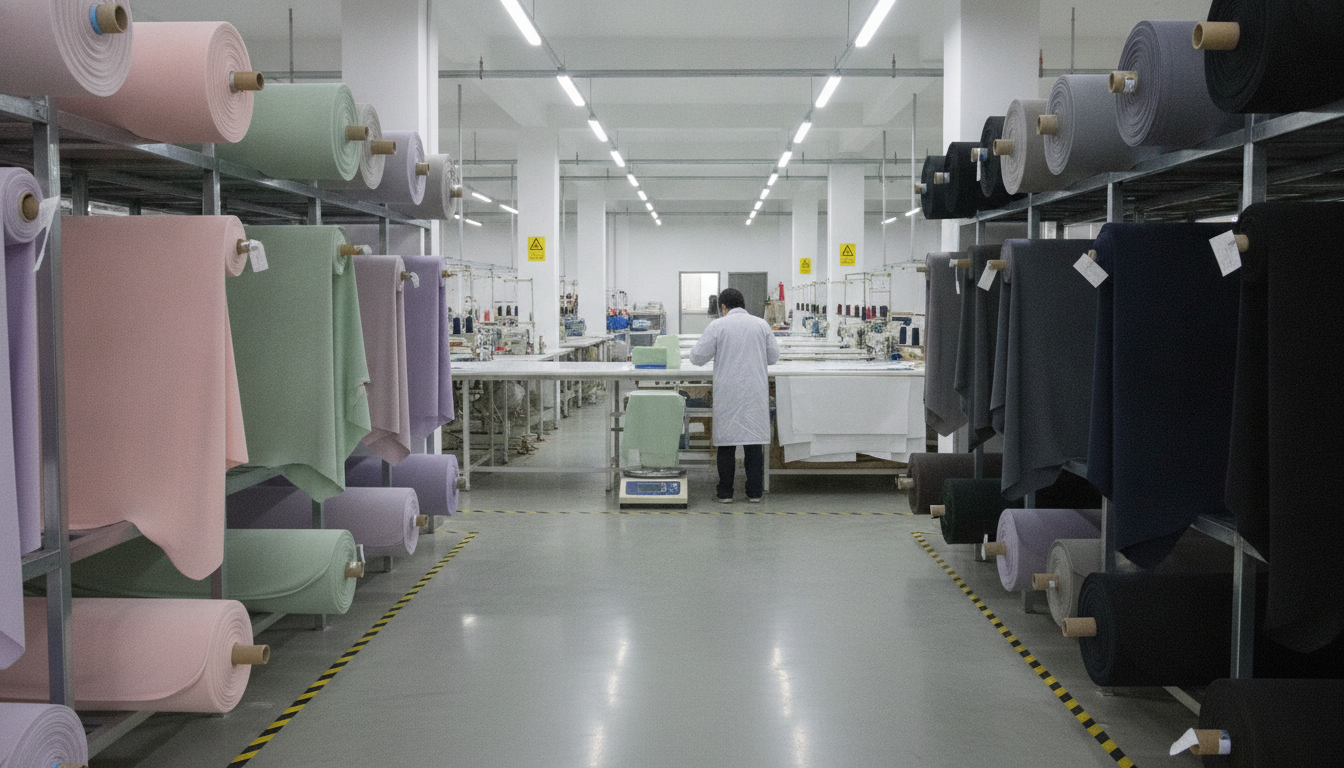
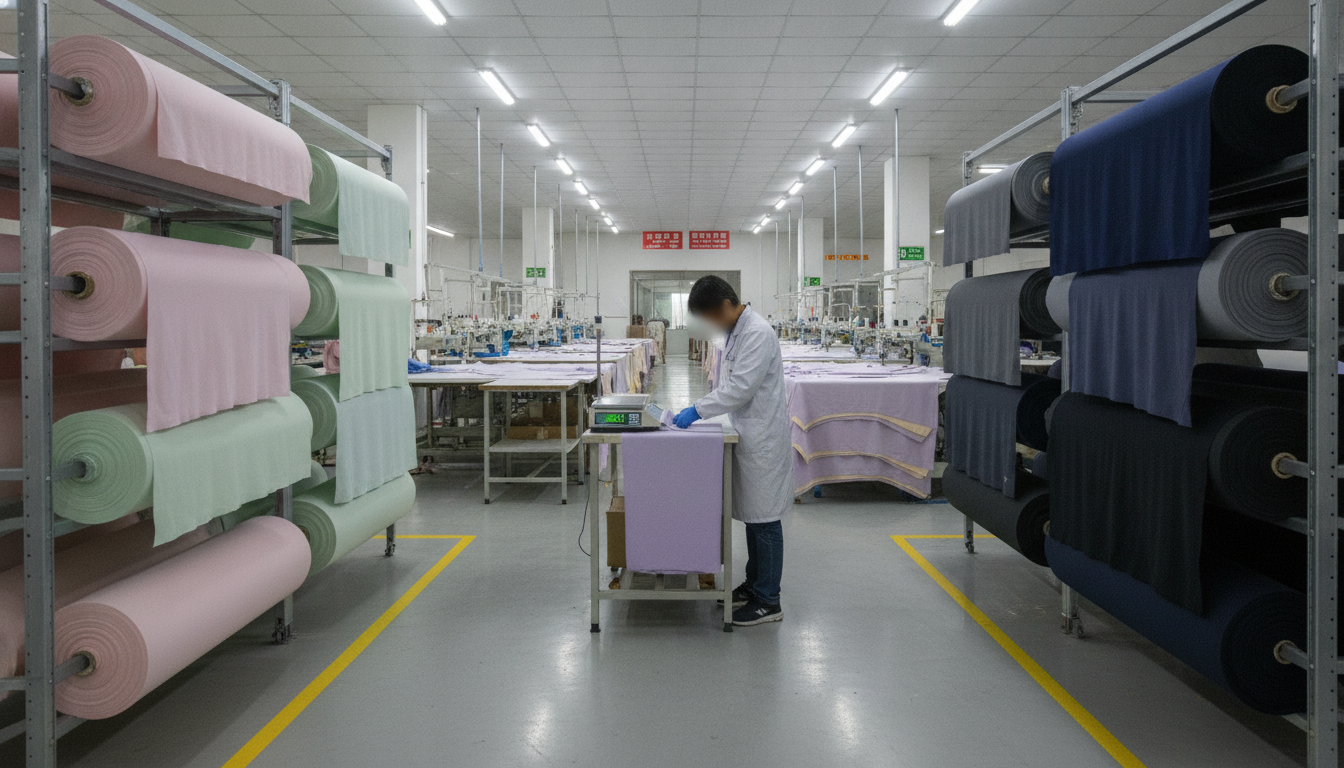
Buttery-soft fabrics prioritize a peached or brushed surface texture that feels soft against skin, typically achieved through mechanical finishing (sanding, peaching) or low-twist yarn construction. Compression fabrics prioritize dimensional stability and muscle support, using tighter knit structures, higher spandex percentages, and firmer yarn tension.
Buttery-soft blends commonly use nylon or polyester with 18-22% spandex in a jersey or interlock knit. The lower spandex percentage allows more drape and a softer hand. Compression fabrics push spandex to 25-30% and often use rib or double-knit structures that lock the fabric into shape under stretch.
Nylon blends (especially nylon 6,6) deliver a silkier handfeel and better moisture wicking than polyester, but cost 15-25% more per kilogram. Polyester blends are more affordable and hold dye better, but can feel slightly stiffer unless brushed or peached.
Peaching (mechanical sanding) raises micro-fibers on the fabric surface, creating the signature buttery texture. This finish adds one processing step and increases fabric cost by roughly 8-12% compared to unfinished greige goods. Compression fabrics skip this step to maintain a smoother, tighter surface that reduces friction during high-intensity movement.
Brushing is another technique that lifts fibers for softness but can reduce opacity if done too aggressively. Your tech pack should specify brushing intensity (light, medium, heavy) and require a lab dip approval before bulk production to lock in the exact handfeel.
Compression fabrics recover to within 5% of original dimensions after a 50-cycle stretch test, while buttery-soft fabrics may show 8-12% relaxation. This difference matters for high-movement activities (running, HIIT) where fabric bagging creates discomfort and a less flattering fit.
Stretch recovery is measured by pulling fabric to 150% of resting length, holding for 30 seconds, releasing, and measuring the residual elongation after 5 minutes. Your custom yoga apparel manufacturer should provide recovery test results with every bulk order to confirm the fabric meets your spec.
Vague supplier descriptions like “soft and stretchy” or “high compression” waste your sampling budget. Measurable specs let you compare quotes, audit bulk orders, and troubleshoot quality issues without relying on subjective judgment.
GSM measures fabric weight and directly affects opacity, drape, and cost. Buttery-soft leggings typically range from 200-240 GSM for a lightweight feel, while compression leggings sit at 260-300 GSM for squat-proof opacity and firmer support.
A 220 GSM buttery-soft fabric costs approximately 12-18% less per meter than a 280 GSM compression fabric, but the lighter weight increases see-through risk. Specify a GSM tolerance of ±5% in your purchase order to prevent suppliers from under-weighting fabric to cut costs.
Spandex content controls stretch, recovery, and compression strength. Buttery-soft fabrics use 18-22% spandex for a relaxed, non-restrictive fit. Compression fabrics use 25-30% spandex to deliver muscle support and shape retention during movement.
Higher spandex percentages increase raw material cost by roughly 6-10% per percentage point above 20%. They also reduce fabric yield (more waste in cutting) because higher-stretch fabrics require tighter pattern grading to prevent size creep.
Opacity failures are one of the most common complaints buyers raise about activewear production. A fabric that looks opaque at rest can turn sheer when stretched over the body, especially in squat or lunge positions.
The stretch-to-sheer ratio measures how much the fabric can elongate before becoming see-through. A safe benchmark is 1.5:1 or lower (fabric becomes sheer only after stretching to 150% of resting width). Ratios above 1.8:1 indicate high see-through risk.
Request a squat-test video with your pre-production sample: the factory should film the fabric stretched over a flesh-tone mannequin under bright light to confirm opacity under real-world conditions.
Nylon absorbs less moisture than polyester (nylon: 4-6% moisture regain; polyester: 0.4-0.8%), making nylon blends feel drier during sweaty workouts. Compression fabrics often use polyester for cost efficiency, then add wicking finishes to improve moisture transport.
Request AATCC Test Method 195 results (evaporative resistance) if moisture management is a key selling point. This test measures how quickly sweat evaporates through the fabric, with lower resistance indicating better breathability.
The buttery soft handfeel vs compression fabric comparison activewear decision should map directly to your target customer’s primary activity. Mismatched fabric-to-activity pairings create return-rate spikes and negative reviews that damage your brand before you can iterate.
Yoga and Pilates involve slower, controlled movements with long holds and minimal impact. Customers prioritize comfort, unrestricted range of motion, and a soft feel against skin during floor work.
Buttery-soft fabrics in the 210-230 GSM range with 20-22% spandex deliver the drape and softness yoga practitioners expect. Compression fabrics feel restrictive during deep stretches and can create pressure points during seated poses.
In practice: A California yoga studio launched a branded legging line with 220 GSM peached nylon, validated fit and handfeel with 1-piece samples, then placed a 30-unit-per-SKU first order across three colorways without locking up cash in high MOQ
Running and high-intensity interval training create repetitive impact and rapid directional changes. Customers need muscle support, chafe-free seams, and fabrics that stay in place without constant adjustment.
Compression fabrics at 270-300 GSM with 26-28% spandex provide the firmness and recovery needed for high-movement activities. Buttery-soft fabrics sag and bag during runs, creating friction and an unflattering silhouette.
Barre, light strength training, and cycling classes sit between yoga and HIIT in intensity. Customers want some support without full compression, plus a softer handfeel than pure performance gear.
A hybrid fabric (240-260 GSM, 23-25% spandex, light peach finish) bridges the gap. This spec delivers enough compression to prevent sagging during lunges and squats, while maintaining a softer touch than high-compression fabrics.
Lounge and travel wear emphasizes all-day comfort, wrinkle resistance, and compact packing. Compression is unnecessary and can feel restrictive during long flights or casual wear.
Buttery-soft fabrics at 200-220 GSM with 18-20% spandex offer maximum softness and drape. Lower GSM also reduces fabric weight, making garments more packable for travel-focused marketing.
Fabric choice directly affects your cost of goods sold, minimum order quantities, and the complexity of quality control. Understanding these manufacturing realities helps you balance product vision with financial constraints during your first production run.
Buttery-soft nylon blends cost approximately 18-25% more per meter than polyester blends due to higher raw material prices. Compression fabrics cost 10-15% more than buttery-soft fabrics at the same fiber type because of higher spandex content and tighter knit construction.
A 220 GSM buttery-soft polyester legging might land at $6.50-$8.00 FOB per unit at 500-piece volume, while a 280 GSM compression nylon legging lands at $9.00-$11.50 FOB. The difference compounds when you factor in higher MOQ requirements for premium fabrics.
Standard fabric mills require 500-1,000 meters per color for custom dyeing, which translates to roughly 300-600 garments depending on pattern efficiency. This MOQ locks up significant cash before you validate product-market fit.
A common complaint buyers raise is that minimum order quantities are too high for a first launch, especially when testing multiple fabrics. Working with a low MOQ yoga manufacturer that offers 30 pieces per SKU bulk minimums lets you test buttery-soft versus compression fabrics in parallel without committing to 600+ units of a single spec.
Sample MOQ: 1 piece. Bulk MOQ: 30 pieces per SKU. Sampling time: 7-10 days.
Buttery-soft fabrics require tighter QC on surface finishing (peaching, brushing) because inconsistent finishing creates visible handfeel variation between garments. Compression fabrics require tighter QC on stretch recovery and dimensional stability to ensure consistent fit across size runs.
In our 12+ years manufacturing yoga apparel in Yiwu, we’ve seen sample-to-bulk handfeel inconsistency kill more launches than any other single issue. The root cause is usually loose fabric-weight tolerances (±10% instead of ±5%) or finishing-process variation when mills switch between small sample batches and large production runs.
The samples felt amazing at first, but the bulk order came back stiffer or cheaper-feeling than the prototype. This recurring complaint pattern in founder forums stems from inadequate spec documentation and weak bulk-order QC protocols.
Your approved sample should generate a detailed fabric spec sheet that includes GSM (±5% tolerance), spandex percentage (±1% tolerance), stretch recovery benchmark (95% recovery after 50 cycles), opacity target (stretch-to-sheer ratio ≤1.5:1), and finishing process (peach intensity, brushing cycles).
This spec sheet becomes the contractual standard for your bulk order. Any deviation triggers a re-approval process before cutting fabric. Manufacturers keep saying “buttery soft” or “compression” without giving real fabric specs, a common frustration in startup founder sourcing forums, because vague language protects them from accountability when bulk orders miss the mark.
A pre-production sample uses the exact fabric, trim, and construction methods planned for bulk production. It’s cut from the same dye lot and finished using the same equipment settings, giving you a true preview of what 500 units will look like.
Request a PPS for every new fabric or colorway. Compare it side-by-side with your original approved sample for handfeel, opacity, and stretch recovery. Document any differences in writing and require corrections before approving bulk cutting.
A during-production inspection catches issues while you can still fix them, not after 500 units are sewn and packed. The inspector pulls random garments from the sewing line, measures fabric weight, tests stretch recovery, and checks opacity under bright light.
DUPRO is especially critical for buttery-soft fabrics because peaching and brushing quality can drift over a multi-day production run. Compression fabrics need DUPRO to catch stretch-recovery failures before they compound across hundreds of units.
The fabric pills, fades, or loses recovery after a few washes, a repeated complaint in consumer reviews and brand-owner feedback about low-cost activewear. Wash durability testing should happen before you commit to bulk production, not after customers start returning garments.
Request AATCC Test Method 124 (pilling resistance) and ISO 6330 (dimensional stability after washing). Buttery-soft fabrics should show minimal pilling after 5,000 rub cycles and less than 3% shrinkage after five wash cycles. Compression fabrics should maintain 90%+ recovery after ten wash cycles.
Communication is slow and technical details get lost in translation, a common complaint in Alibaba-style sourcing feedback and small-brand manufacturer reviews. Relying on email threads and vague descriptions creates gaps where quality issues hide.
Use a detailed tech pack with photos, measurements, and tolerance ranges for every spec. Include reference swatches for handfeel and color. Number every revision and require written confirmation of changes. A private label yoga clothing partner with experience serving DTC founders will document specs clearly, confirm tolerances, and manage revisions efficiently without requiring you to chase down details.
Buttery-soft fabrics prioritize a peached or brushed surface texture with 18-22% spandex and 200-240 GSM for softness and drape, ideal for yoga and lounge wear. Compression fabrics use 25-30% spandex and 260-320 GSM with tighter knit structures to deliver muscle support and shape retention for high-intensity training. The difference lies in spandex percentage, knit tightness, surface finishing, and stretch recovery benchmarks.
Buttery-soft fabric is well-suited for yoga because it provides unrestricted range of motion, a comfortable feel against skin during floor work, and the drape yoga practitioners expect during slower, controlled movements. Fabrics in the 210-230 GSM range with 20-22% spandex deliver softness without feeling restrictive during deep stretches or seated poses. Compression fabrics can create pressure points and feel too firm for yoga’s movement patterns.
Compression fabric is better for high-intensity activewear like running, HIIT, and cycling because it provides muscle support, prevents fabric sagging during repetitive impact, and maintains shape retention across wash cycles. Compression fabrics at 270-300 GSM with 26-28% spandex recover to within 5% of original dimensions after stretching, reducing chafing and fit issues. For yoga, Pilates, and lounge wear, buttery-soft fabrics deliver better comfort and drape.
Nylon delivers a silkier handfeel, better moisture wicking (4-6% moisture regain), and superior durability compared to polyester, making it ideal for premium yoga and activewear lines. Polyester costs 15-25% less per kilogram, holds dye better, and offers good performance when brushed or peached, suitable for budget-friendly lines. The choice depends on your price positioning, target activity, and whether moisture management is a key selling point.
Activewear spandex percentage should match the intended activity level. Yoga and lounge wear perform well with 18-22% spandex for soft drape and unrestricted movement. Light training and barre benefit from 22-26% spandex for moderate support. Running, HIIT, and cycling require 26-30% spandex to deliver muscle compression and shape retention during high-impact movement. Higher spandex percentages increase cost by roughly 6-10% per percentage point above 20%.
Ready to validate your buttery-soft or compression fabric choice with 1-piece samples before committing to bulk?
Request Your Sample Pack →
Written by the Walundi Export Team.
Sample 1 piece · bulk from 30 · OEKO-TEX & GRS certified · reply in 24h. No gatekeeping.
Low MOQ. Sustainable fabrics. OEM ready. Tell us your vision.
Click the button below to open WhatsApp. If you're not logged in to WhatsApp Web yet, scan the QR code first — then come back here and copy the message into the chat.