
📋 Table of Contents
Finding a moisture wicking nylon spandex blend activewear supplier that delivers consistent quality, low minimums, and transparent testing is the difference between a validated product launch and locked-up capital with no market proof. Most DTC founders face the same sourcing trap: samples look perfect, but bulk orders arrive with pilling fabric, inconsistent stretch recovery, or moisture-wicking claims that fail in real wear testing.
Nylon spandex blends dominate yoga pants, sports bras, and high-performance leggings because the fiber combination delivers four performance attributes in one fabric construction: stretch recovery, moisture transport, abrasion resistance, and a smooth hand feel that holds shape through repeated wash cycles.
Spandex content between 12% and 20% provides the four-way stretch needed for deep squats, lunges, and dynamic yoga flows. Lower spandex percentages (8-10%) reduce production cost but compromise recovery, causing knees and seat areas to bag out after 10-15 wear cycles. Higher percentages (22-25%) increase compression but raise fabric cost and can feel restrictive during breathwork or restorative poses.
Nylon’s molecular structure wicks perspiration away from skin through capillary action, spreading moisture across the fabric surface for faster evaporation. This prevents the clingy, cold-skin sensation that buyers complain about in untested moisture-wicking claims. The fabric must pass AATCC 195 testing with a one-way transport index above 200 to qualify as genuine moisture-wicking performance, not marketing language.
Nylon fibers resist abrasion better than polyester, reducing pilling on inner thighs and under-arm seams where friction is highest. A common complaint in activewear sourcing forums is fabric that pills after three to five wash cycles, destroying brand reputation before a founder can recover customer acquisition cost. Nylon spandex blends with a tight knit construction (180-220 GSM) and anti-pilling finish maintain surface smoothness through 50+ wash cycles when properly manufactured.
Suppliers frequently claim moisture-wicking properties without lab documentation. Founders need three verification methods before committing to bulk production: standardized lab testing, wash-durability proof, and real-wear validation with target users.
This standardized test measures liquid moisture management across seven indices: wetting time (top and bottom surface), absorption rate, maximum wetted radius, spreading speed, and one-way transport index. A fabric qualifies as moisture-wicking when the one-way transport index exceeds 200, meaning liquid moves from skin-contact layer to outer surface faster than it spreads laterally. Request test reports dated within the past 12 months, performed by an ISO 17025 accredited lab.
Moisture-wicking performance degrades if the fabric finish breaks down during laundering. Ask your custom yoga apparel manufacturer for AATCC 195 results after 20, 30, and 50 home-launder cycles per AATCC Test Method 135. Performance should remain above 80% of original one-way transport index after 30 washes. If the supplier cannot provide multi-cycle data, the finish likely fails before the garment reaches end-of-life, triggering returns and negative reviews.
Lab results predict performance, but founder-led wear testing catches issues that bench tests miss. Order 1-piece samples, wear them through a 60-minute hot yoga class or HIIT session, then evaluate dry time, cling, and odor retention. Nylon spandex blends should feel dry to touch within 15-20 minutes post-workout and show no ammonia or sour-milk odor after air-drying overnight. If the fabric stays damp or smells after one wear, the moisture-wicking claim is not production-ready.
Choosing between nylon spandex and polyester spandex blends depends on your brand positioning, target price point, and performance priorities. Both fiber combinations deliver stretch and moisture management, but they differ in hand feel, durability, and manufacturing cost.
Nylon spandex blends suit premium yoga leggings, high-rep training tights, and any garment where hand feel and durability justify a higher fabric cost. Brands positioning at $78-$128 retail typically choose nylon spandex to differentiate on softness and longevity. The fiber also performs better in high-friction areas like inner thighs and underarms, reducing pilling complaints that erode lifetime value.
Polyester spandex blends work for value-positioned activewear ($38-$58 retail), bold color palettes, and styles where structure matters more than drape. Polyester holds dye better, delivering saturated jewel tones and neons that nylon cannot match. If your brand strategy prioritizes accessible pricing and vibrant colorways over buttery hand feel, polyester spandex offers a lower fabric cost with acceptable performance for moderate-intensity use.
Selecting a reliable moisture wicking nylon spandex blend activewear supplier requires evaluating five operational capabilities that directly impact your ability to launch, iterate, and scale without cash-flow traps or quality surprises.
High minimum order quantities lock up capital before you validate product-market fit. A common complaint in DTC founder communities is manufacturers demanding 500-1,000 pieces per style before sampling, forcing brands to commit $8,000-$15,000 without customer feedback. Look for suppliers offering 1-piece sample MOQ and bulk minimums at or below 50 pieces per SKU. Walundi’s 30-piece bulk MOQ per SKU lets founders test three sizes in two colors (18 units) or five sizes in one color (30 units) without overstock risk.
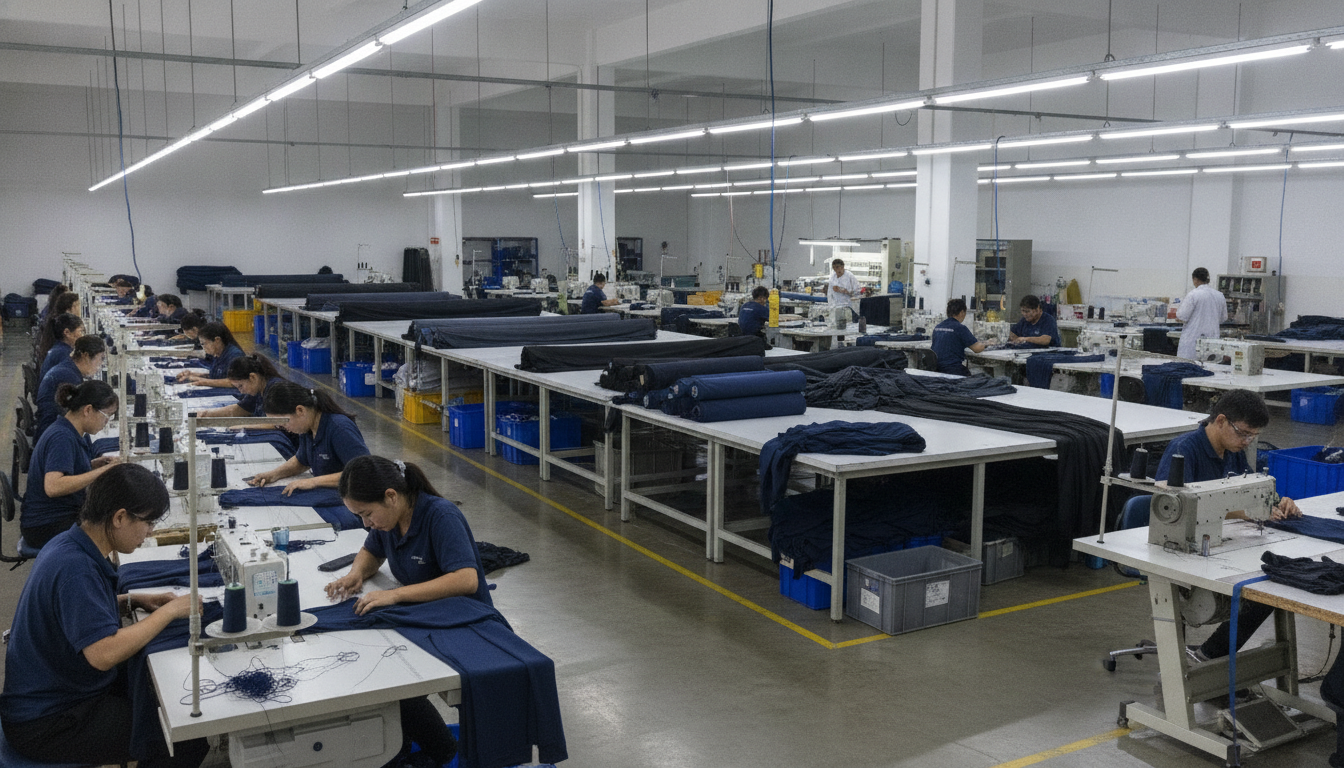
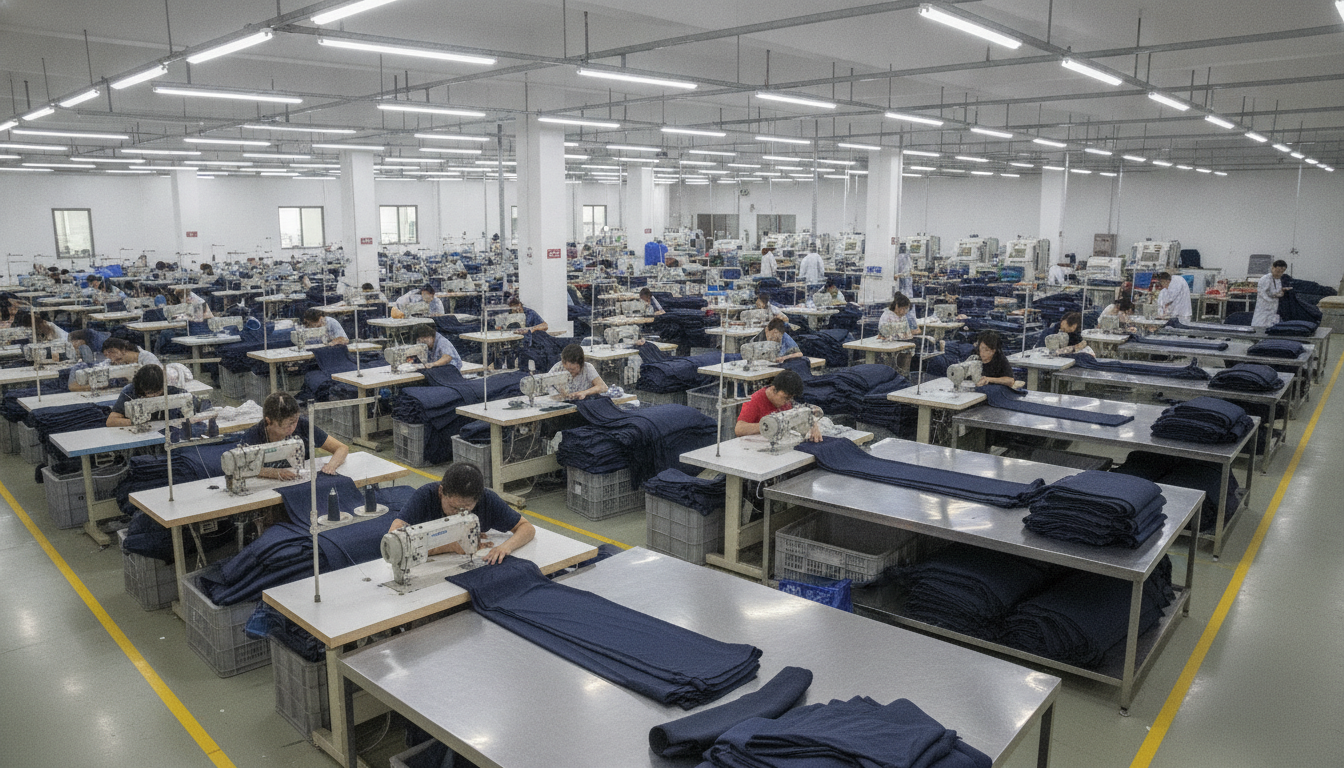
Vertically integrated facilities control fabric sourcing, pattern making, cutting, sewing, and final inspection under one roof, reducing the sample-to-bulk consistency issues that plague multi-vendor supply chains. In our 12+ years manufacturing yoga apparel in Yiwu, we’ve seen founders burned by suppliers who outsource cutting or finishing, then blame subcontractors when bulk orders arrive with mismatched fabric hand or off-spec stretch. Ask whether the factory owns its cut-and-sew lines, employs in-house pattern makers, and runs pre-shipment QC before goods leave the building.
Request copies of current certifications before placing deposits. OEKO-TEX Standard 100 ensures the fabric and trims contain no harmful chemicals above regulated limits. The Global Recycled Standard (GRS) requires a minimum of 20% recycled content and chain-of-custody documentation when you source recycled nylon. BSCI certification covers social compliance and working conditions in the production facility. Suppliers who hesitate to share certification PDFs or provide expired documents often lack the audit trail needed for retail partnerships or Amazon Brand Registry.
Slow communication and unclear spec guidance are recurring complaints in Alibaba reviews and founder forums. Your supplier’s account manager should respond to technical questions about GSM, stretch percentages, and finishing options within 24 hours, in clear English, without requiring multiple clarification rounds. Miscommunication on fabric weight or spandex content leads to fit and performance issues that surface only after you’ve paid for bulk production.
Color, fit, and sizing errors are common when suppliers lack pattern-making expertise or rush grading without founder approval. A capable low MOQ yoga manufacturer provides tech packs, grading charts, and pre-production samples for sign-off before cutting bulk fabric. This approval workflow catches fit and construction issues when changes cost $50 in sample labor, not $3,000 in scrapped inventory.
Preventing quality failures requires a documented inspection process that covers fabric performance, construction accuracy, and packaging before goods ship. Use this checklist as your pre-shipment QC standard, whether you hire a third-party inspector or rely on the supplier’s internal team.
In practice: A UK yoga brand founder ordered 150 leggings (5 sizes, 1 color) from a supplier claiming moisture-wicking nylon spandex. Bulk goods arrived with no lab test report, fabric failed the opacity test in size large, and the waistband stretched out after two wears. The founder scrapped the order and switched to a GRS-certified supplier with documented AATCC 195 results, recovering cost through a validated second launch.
Understanding how sample MOQ, bulk MOQ, and per-piece pricing interact helps founders budget accurately and avoid cash-flow traps during the validation and scaling phases.
Most factories charge $50-$120 per sample piece, depending on construction complexity and fabric cost. Samples with custom prints, embroidery, or multi-panel construction sit at the higher end. Sampling lead time typically runs 7-10 days after fabric and trim arrival, assuming the factory has your approved tech pack and measurements. Faster sampling (3-5 days) is possible for an additional rush fee, but pattern accuracy often suffers when development is compressed.
Per-piece cost drops as order quantity increases, but the curve flattens after 300-500 units per style. Here’s a typical pricing structure for a basic yoga legging in nylon spandex blend:
Pricing varies based on fabric GSM, trim quality (silicone waistband grip, reflective logos), and finishing complexity. Custom prints, sublimation, or laser-cut details add $2.50-$5.00 per piece. Founders at the validation stage should budget for the 30-100 piece tier, then scale into the 300-500 tier once conversion data justifies inventory investment.
Standard terms for new customers are 30% deposit upon order confirmation, 70% balance before shipment. Some suppliers offer net-30 or net-60 terms after three successful orders, but this depends on order value and credit history. Avoid suppliers demanding 100% payment upfront unless you’re ordering samples only. Full prepayment with no production milestones removes your if quality issues surface during manufacturing.
FOB pricing does not include ocean freight, customs duties, or destination handling. Add 8-12% for ocean freight from Ningbo to the US West Coast, 15-18% to the East Coast, and 12-15% to Europe. US import duties on nylon spandex activewear (HTS 6104.63.2010) currently sit at 16%, though rates fluctuate with trade policy. Buyers in Canada face 17-18% duty plus GST, while UK buyers post-Brexit pay 12% duty plus 20% VAT. Calculate landed cost before setting retail pricing to avoid margin erosion.
In practice: An Australian activewear startup budgeted $15 FOB per legging and planned $60 retail pricing. After adding $2.10 freight, $1.80 duty, and $1.20 GST, landed cost hit $20.10, leaving only $39.90 gross margin before marketing and fulfillment. The founder renegotiated fabric to hit $13.50 FOB, bringing landed cost to $18.30 and restoring healthy unit economics.
Nylon spandex blends (80-88% nylon, 12-20% spandex) deliver the best combination of moisture transport, stretch recovery, and durability for yoga leggings and sports bras. The fabric must pass AATCC Test Method 195 with a one-way transport index above 200 to qualify as genuine moisture-wicking performance. Polyester spandex blends offer lower cost and brighter colors but pill faster under friction and dry more slowly after perspiration.
Yes, nylon spandex blends are ideal for yoga pants because they provide four-way stretch for deep squats and lunges, wick moisture away from skin during hot yoga or vinyasa flows, resist pilling on inner thighs, and maintain shape through repeated wash cycles. Choose fabrics with 12-20% spandex content and 180-220 GSM weight for squat-proof opacity and comfortable compression. Request AATCC 195 test results and wash-durability data to verify performance claims before bulk production.
Nylon spandex blends offer softer hand feel, faster moisture wicking, and better abrasion resistance, making them ideal for premium yoga leggings and high-rep training tights. Polyester spandex blends cost 12-18% less per meter, hold saturated dye colors better, and provide acceptable performance for value-positioned activewear. Nylon resists pilling longer under friction, while polyester delivers brighter color vibrancy and slightly more structure. Choose based on your brand positioning, target retail price, and performance priorities.
Request AATCC Test Method 195 results from an ISO 17025 accredited lab, measuring liquid moisture management across seven indices including wetting time, absorption rate, spreading speed, and one-way transport index. Fabrics must achieve a one-way transport index above 200 to qualify as moisture-wicking. Also request wash-durability testing after 20, 30, and 50 launder cycles per AATCC Test Method 135 to confirm the finish does not degrade before garment end-of-life. Conduct real-wear validation by wearing samples through a 60-minute workout and checking dry time and odor retention.
Ask for sample MOQ, bulk MOQ per SKU, unit pricing at 30, 100, 300, and 500 piece tiers, sampling lead time, bulk production lead time, payment terms, and copies of current OEKO-TEX, GRS, and BSCI certifications. Request AATCC 195 moisture-wicking test results, wash-durability data, and pilling-resistance reports from the specific fabric you plan to order. Confirm whether the factory is vertically integrated with in-house pattern making, cutting, sewing, and QC, or outsources any production steps. Clarify whether tech pack development, grading, and pre-production samples are included or charged separately.
Ready to source moisture-wicking nylon spandex activewear with lab-tested performance, 1-piece sample MOQ, and 30-piece bulk minimums?
Request Your Samples Now →
Written by the Walundi Export Team.
Sample 1 piece · bulk from 30 · OEKO-TEX & GRS certified · reply in 24h. No gatekeeping.
Low MOQ. Sustainable fabrics. OEM ready. Tell us your vision.
Click the button below to open WhatsApp. If you're not logged in to WhatsApp Web yet, scan the QR code first — then come back here and copy the message into the chat.