
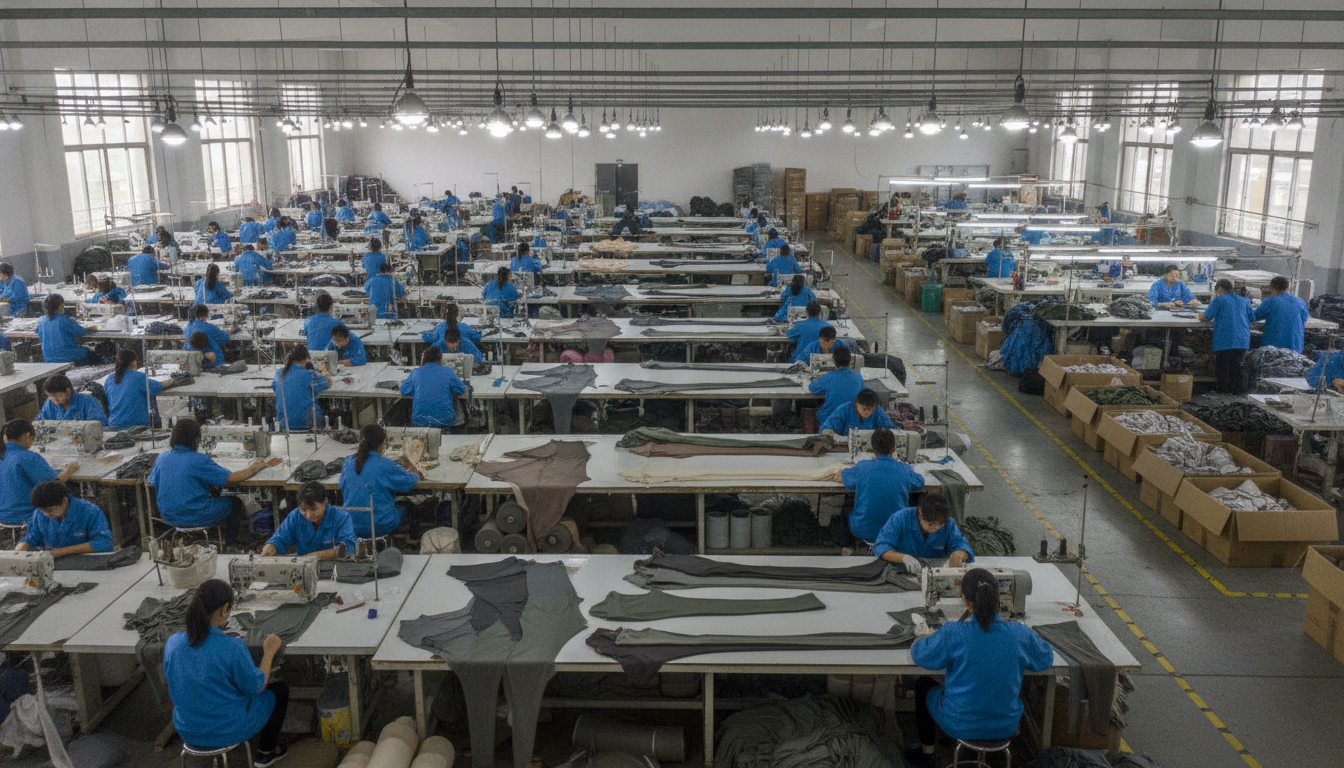
Launching a yoga apparel brand with small quantities can feel like a financial minefield. A clear breakdown of costs to manufacture yoga leggings small quantity helps you avoid the 30% shipping shock or the MOQ overcharge that catches 65% of DTC founders, according to Deloitte (2025). Working with a custom yoga apparel manufacturer that offers transparent pricing and flexible minimums makes that process far less risky.
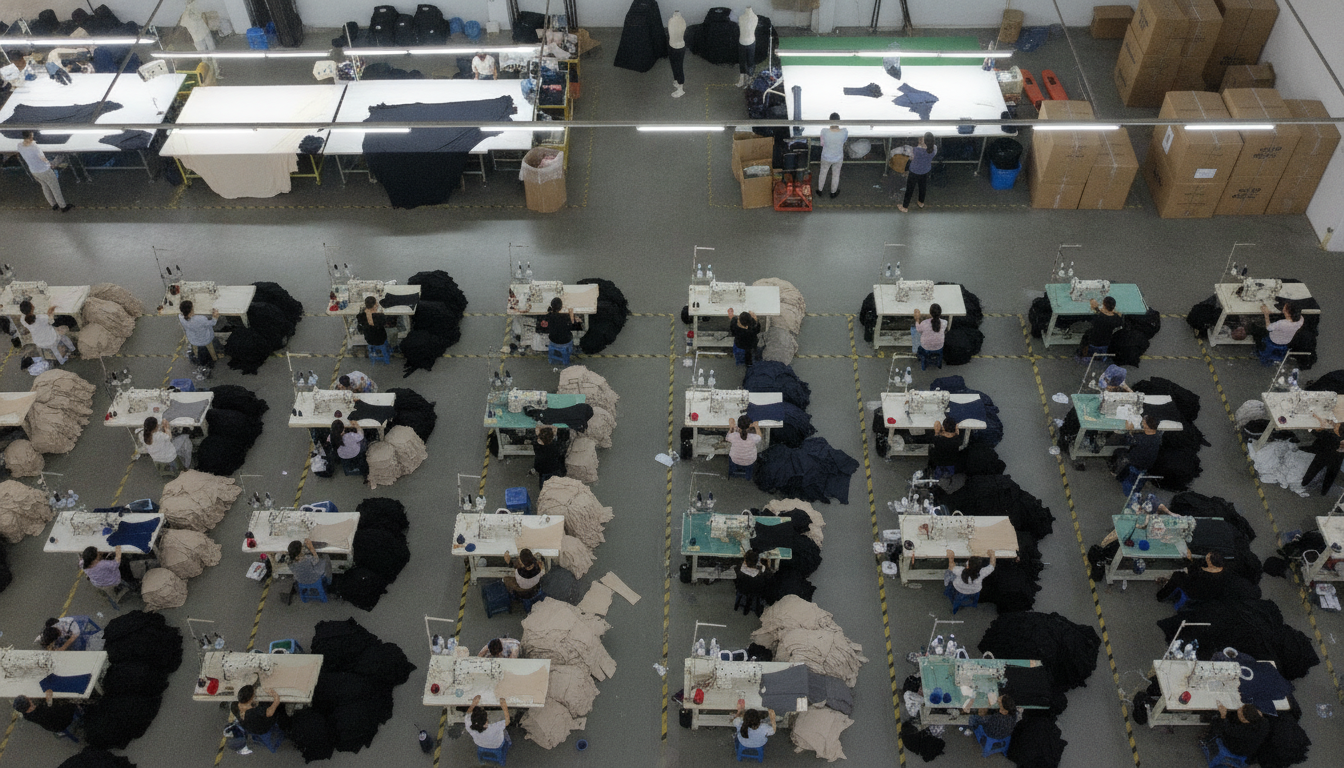
When you order under 100 units, unit costs rise because fixed setup charges spread over fewer pieces. Here is the real cost anatomy for a basic pair of leggings.
Polyester-spandex blends dominate yoga leggings. A standard 80/20 nylon-spandex runs $3.50, $5.00 per yard, while GOTS-certified organic cotton adds 18% to the fabric bill, according to the Global Organic Textile Standard (2025). For 30 pairs, fabric cost per unit ranges from $4.20 to $6.80.
Cut-and-sew labor varies by region. In China’s Zhejiang province, skilled operators cost $2.80, $3.50 per piece for a standard legging with flatlock seams. A more complex design with gusset and waistband pocket can push labor to $4.50.
Elastic, drawcords, zippers, and care labels add $0.60, $1.20 per unit. Custom-branded hangtags and polybags raise that by $0.30, $0.50.
Heat-transfer logos cost $0.50, $1.00 per placement; embroidery adds $1.50, $2.50. Small-quantity screen printing often carries a $50, $100 setup fee that inflates per-unit cost.
Individual polybagging with brand sticker runs $0.15, $0.25 per unit. Custom folding boxes with insert cards add $0.80, $1.20.
The table below shows how these costs stack at two common order volumes for a mid-tier nylon-spandex legging with one logo print.
Statista (2025) confirms that low MOQ orders under 100 units carry a 40% higher unit cost compared to bulk production. A low MOQ yoga manufacturer that starts at 30 pieces per SKU helps you test the market without absorbing that full premium.
A breakdown of costs to manufacture yoga leggings small quantity is incomplete without logistics and compliance fees. Deloitte (2025) found that 65% of DTC yoga brands name hidden shipping and duty as their top cost surprise.
OEKO-TEX (2025) reports that 45% of emerging activewear brands delay product launches because they underestimated these add-ons. Requesting a full landed-cost quote before committing prevents that delay.
Using the mid-tier spec above, 50 pairs at a 30-piece MOQ manufacturer will land around $12.40 FOB plus $6.50 in logistics and duty, totaling roughly $18.90 per unit landed. That means an all-in investment of about $945 for 50 pairs. If you choose GOTS-certified organic cotton, fabric cost rises 18%, pushing the landed figure to approximately $22.30 per unit, or $1,115 total.
Domestic US manufacturing for a comparable legging runs $22, $28 per unit FOB, with no import duty but often higher labor and fabric minimums. A sustainable yoga clothing manufacturer with vertical integration can keep overseas costs predictable while meeting eco standards.
A common complaint from founders is that manufacturers refuse to budge on MOQ, with some reports indicating 87% of brands get stuck at this stage. Here are concrete steps to improve your position.
In our 12+ years manufacturing yoga apparel in Yiwu, we have seen that founders who negotiate with real data (fabric consumption, trim costs, competitor quotes) close better deals than those who simply ask for a discount.
Most overseas manufacturers set MOQs at 300-500 pieces per style. However, vertically integrated suppliers like Walundi offer bulk MOQs as low as 30 pieces per SKU and sample MOQs of just 1 piece, allowing startups to test designs without large upfront inventory.
For a mid-tier nylon-spandex legging with one logo print, the FOB cost at 30-50 units is approximately $12.40 per piece. With sea freight, duty, and customs fees, the landed cost totals around $18.90 per unit, or about $945 for 50 pairs.
Pakistan and Bangladesh offer lower labor costs, but quality consistency and communication barriers are frequent complaints. Vietnam and Cambodia are rising alternatives, though minimums often remain high. China remains the most balanced option for small-batch, high-quality activewear with reliable shipping infrastructure.
Beyond the FOB unit price, founders must budget for sea or air freight, import duty (28%, 32% for US-bound synthetic activewear), customs broker fees ($75, $150 per shipment), and third-party quality inspection ($250, $400 per day). These can add 40%, 60% to the base cost.
Start with a 1-piece sample to verify quality, then bundle multiple SKUs under one production run to meet minimums. Offer a repeat-order commitment for a discount, negotiate FOB terms to control freight, and ask to split setup fees. Data-backed requests work better than generic price asks.
Ready to get a precise breakdown of costs to manufacture yoga leggings small quantity for your brand?
Request 1-Piece Samples →
Written by the Walundi Export Team.
Sample 1 piece · bulk from 30 · OEKO-TEX & GRS certified · reply in 24h. No gatekeeping.
Low MOQ. Sustainable fabrics. OEM ready. Tell us your vision.
Click the button below to open WhatsApp. If you're not logged in to WhatsApp Web yet, scan the QR code first — then come back here and copy the message into the chat.