
📋 Table of Contents
Launching a branded activewear line often stalls when manufacturers demand 500-piece minimums per design. For DTC founders validating product-market fit or boutique studios testing branded leggings, custom sublimation print leggings 50 piece MOQ offers a path to market without locking up capital in untested inventory. This guide walks through fabric selection, cost structure, and supplier vetting so you can place your first order with confidence.
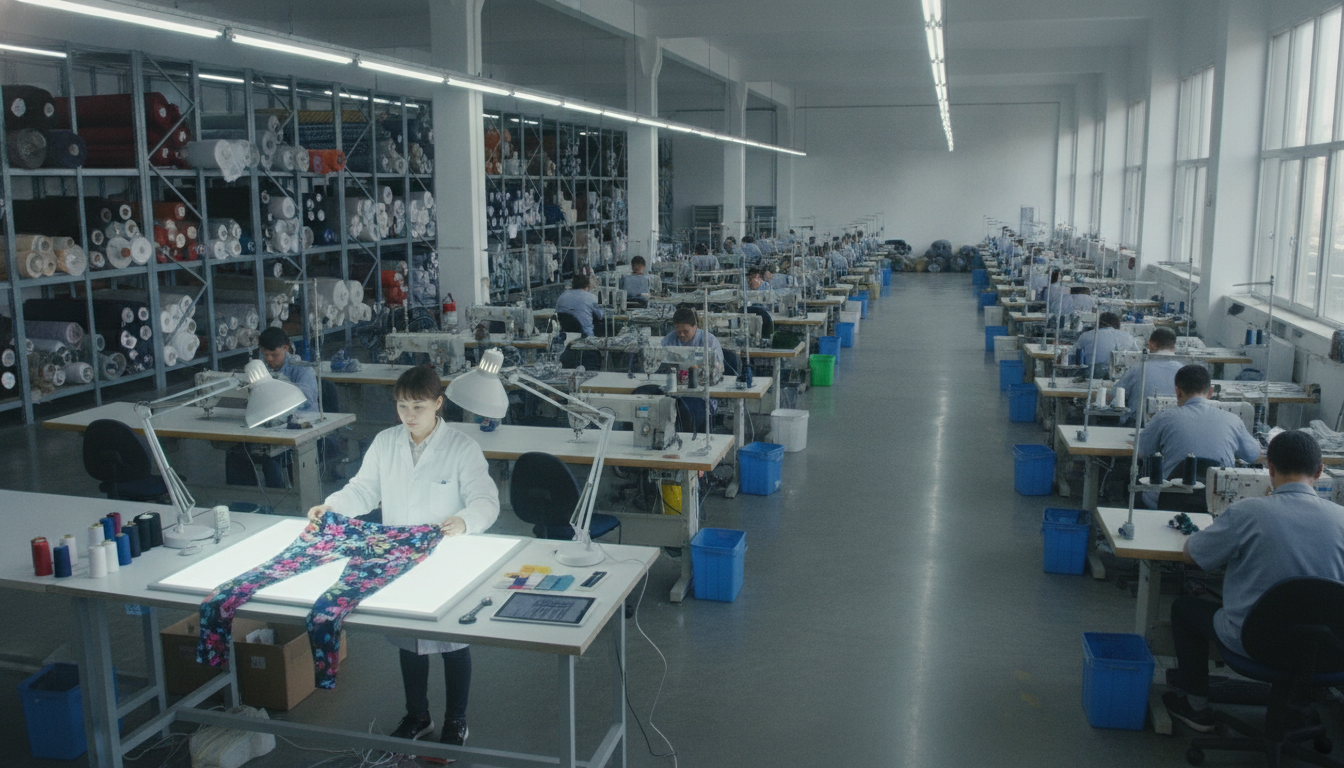
Minimum order quantity is rarely a single number. Manufacturers often advertise low MOQ, but the real minimum changes by fabric, color, or decoration method. A factory may accept 50 pieces total, yet require that quantity to be split across no more than two colorways or one fabric type. Understanding these constraints before requesting a quote saves weeks of back-and-forth.
A 50-piece order might mean 50 units of one design in one size run, or it might mean 50 units split across five sizes and two colors. Clarify whether the factory counts MOQ per style, per colorway, or per size-color combination. Walundi’s 30-piece bulk MOQ per SKU means you can order 30 units of one legging style in mixed sizes without needing to commit to multiple designs.
Dye-sublimation transfers ink directly into polyester fibers under heat and pressure, eliminating the screen-making and color-separation setup required for traditional screen printing. This makes custom sublimation print leggings 50 piece MOQ economically viable where screen printing would demand 200-300 pieces to amortize setup costs. The trade-off is fabric limitation: sublimation works only on polyester or high-polyester blends, not natural fibers.
A 50-piece order typically spans four to six sizes (XS, S, M, L, XL, XXL). Confirm that the factory includes grading in the quoted MOQ. Some suppliers quote per size, meaning 50 pieces per size, which pushes the real minimum to 250-300 units. Written confirmation of grading terms before sampling prevents costly misunderstandings.
Fabric selection directly impacts both MOQ and lead time. Generic polyester-spandex blends in stock colors allow lower minimums, while custom-dyed or recycled-content fabrics often require larger runs to meet mill minimums.
Stock fabrics are pre-dyed and held in inventory by the mill or factory. Ordering leggings in black, navy, or charcoal stock fabric typically supports 50-piece runs. Custom dye lots, where you specify a Pantone color for the base fabric, often require 300-500 meters of fabric, which translates to 200+ garments. If your brand identity depends on a signature color, budget for a higher MOQ or choose sublimation artwork that incorporates the color into the print rather than the base.
The Global Recycled Standard (GRS) requires at least 20% recycled material content before a product can carry the GRS label. Mills producing GRS-certified recycled polyester often set higher minimums because the supply chain is more fragmented. Walundi sources GRS-certified recycled polyester in stock colors, allowing DTC founders to access sustainable fabrics at 30-piece MOQ per SKU without waiting for a custom mill run.
Thinner stretch fabric causes see-through issues during squats or lunges, a complaint frequently raised by activewear buyers. Squat-proof leggings typically use 240-280 GSM (grams per square meter) four-way stretch fabric. Heavier fabrics cost more per meter and may require slight MOQ increases because fewer garments fit per roll. Confirm fabric weight and opacity in the pre-production sample, not just the sales sample, to avoid bulk-order surprises.
Decoration method affects setup cost, durability, and feel. Sublimation, screen printing, and heat transfer each suit different design types and order volumes.
Sublimation excels for all-over patterns, ombre gradients, and designs with more than three colors. The ink becomes part of the fabric, so there is no hand-feel or cracking. Because setup is digital, adding or changing a design costs nothing beyond artwork preparation. This flexibility makes sublimation ideal for DTC brands testing multiple colorways or seasonal prints at 50-piece volumes.
Screen printing delivers vibrant, opaque colors on dark fabrics and works on cotton blends. If your design is a simple logo in one or two colors and you plan to reorder the same design for years, screen printing’s per-unit cost drops below sublimation at volumes above 200 pieces. For a 50-piece test run, the screen setup fee often doubles the unit cost.
Heat transfer vinyl or digital transfers apply a layer on top of the fabric. This creates a tactile difference and can peel after repeated washing. Heat transfer works well for small logos or personalization (studio names, instructor initials) but is not recommended for full legging panels where the transfer would cover large surface areas and affect stretch.
Quoted unit prices often exclude setup, sampling, freight, and customs. Founders sourcing custom sublimation print leggings 50 piece MOQ from overseas discover that these ancillary costs can add 30-40% to the per-piece price, turning an attractive $12 FOB quote into an $18 landed cost.
Sublimation setup includes artwork digitization and test prints. Reputable factories charge $50-150 for a first sample, which includes pattern grading and a wear-test garment. Some suppliers waive the fee if you proceed to bulk, others do not. Clarify sampling terms in writing. Walundi’s 1-piece sample MOQ allows you to test fit, fabric hand-feel, and print vibrancy for under $100 before committing to 30-unit production.
Air freight for 50 leggings (roughly 15-20 kg) from China to the US costs $150-250 and takes 5-7 days. Sea freight is cheaper per kilogram but requires consolidation, adding 3-4 weeks. Customs duties on women’s activewear entering the US range from 16-28% depending on fabric content and country of origin. A custom yoga apparel manufacturer with experience in DTC export will provide a landed-cost estimate that includes freight, insurance, and duty.
Most factories require 30-50% deposit and balance before shipment. If you pay in USD but the factory’s costs are in RMB, exchange-rate swings can change the final invoice. Lock the currency and payment schedule in your purchase order. Avoid suppliers who request full payment upfront for a first order; this is a common red flag in apparel sourcing.
Sample MOQ: 1 piece. Bulk MOQ: 30 pieces per SKU. Sampling time: 7-10 days. Certifications: GRS, OEKO-TEX Standard 100, BSCI.
Small-batch orders receive less attention at high-volume factories. Vetting a supplier for responsiveness, quality control, and transparent communication prevents the most common pain points: inconsistent sizing, slow replies, and surprise cost additions.
Sample quality is good, but bulk orders sometimes arrive with inconsistent sizing, stitching, or fabric hand-feel. Require a pre-production sample (PPS) from the actual bulk fabric and production line, not a sales sample made in the development studio. The PPS should match your approved tech pack for measurements, seam allowances, and print placement. Walundi provides a PPS with full measurement spec sheet before cutting bulk fabric.
Slow or unclear communication is a frequent complaint when sourcing overseas. Test responsiveness during the sampling phase: if a factory takes three days to answer a simple sizing question, expect longer delays during production. Request written confirmation of MOQ, lead time, fabric specs, and payment terms. Verbal agreements over WeChat or WhatsApp are not enforceable.
OEKO-TEX Standard 100 certification screens textiles against more than 1,000 harmful substances, including formaldehyde, heavy metals, and azo dyes. GRS certification verifies recycled content and chain-of-custody. BSCI (Business Social Compliance Initiative) audits cover labor conditions and workplace safety. Ask for current certificate numbers and verify them on the issuing body’s website. A sustainable yoga clothing manufacturer will provide certificate PDFs and allow third-party audits.
Grading is the process of scaling a base pattern across sizes. Poor grading results in leggings that fit well in medium but are too tight in the hips at large or too loose in the waist at small. Request a grading chart with measurements for waist, hip, rise, inseam, and leg opening for every size. Compare the chart to your target demographic’s body measurements, not generic size charts.
In-house QC teams check stitching, fabric defects, and print alignment before packing. For a 50-piece order, a full inspection report may not be standard, but you can request photo documentation of random samples. Third-party inspection services (SGS, Bureau Veritas, Intertek) cost $200-300 per visit and provide independent verification, worthwhile for orders above $5,000.
In practice: A Toronto yoga studio owner ordered 1-piece samples of three legging designs from Walundi, tested them in classes for two weeks, then placed a 30-unit order per design without locking up $10,000 in untested inventory
Low MOQ allows validation, but successful designs need reorder capacity. Confirm the factory can scale from 50 to 200+ pieces without changing fabric supplier or lead time. Ask whether your custom print file will be archived for easy reorders, and whether repeat orders carry the same MOQ or lower. Walundi archives approved artwork and patterns, allowing reorders at the same 30-piece MOQ with 15-day lead time.
Polybag packaging is standard, but DTC brands need custom hang tags, care labels, and branded mailers. Some low-MOQ suppliers push generic packaging, which weakens differentiation. Confirm whether the factory can print custom woven labels, swing tags, and tissue paper at your order volume. Walundi offers private-label yoga clothing services including custom labels and hang tags at 30-piece MOQ, allowing emerging brands to deliver a premium unboxing experience from the first shipment.
Minimum order quantity varies by supplier and fabric. Many factories advertise 50-100 pieces total, but the real minimum often depends on whether you order stock fabric or custom dye, and whether the count is per style, per colorway, or per size. Walundi’s bulk MOQ is 30 pieces per SKU, allowing founders to order one legging design in mixed sizes without needing multiple styles to meet the minimum.
Yes, dye-sublimation printing works economically at 50-piece volumes because it requires no screen setup fees. The process transfers digital artwork directly onto polyester fabric under heat and pressure, making it ideal for all-over prints, gradients, and photo-real designs. Sublimation is limited to polyester or high-polyester blends and will not work on cotton or natural fibers.
Search for vertically integrated factories that handle fabric sourcing, cut-and-sew, and decoration in-house, as they can offer lower minimums than brokers who consolidate orders. Request a pre-production sample to verify fabric weight, print quality, and size grading before committing to bulk. Confirm that the quoted MOQ includes size grading and ask for a landed-cost estimate that covers setup, sampling, freight, and customs duties.
Sublimation is better for all-over prints, complex designs, and short runs of 50-200 pieces because it has no screen setup cost and the ink bonds permanently to polyester fibers. Screen printing is better for simple logos in one or two colors on large runs above 200 pieces, where the per-unit cost drops below sublimation. Screen printing also works on cotton blends, while sublimation requires polyester.
FOB cost for custom sublimation leggings at 50-piece MOQ typically ranges from $10 to $18 per unit, depending on fabric weight, print complexity, and whether you use stock or custom-dyed fabric. Landed cost including setup fees, sampling, freight, and customs duties often adds 30-40% to the FOB price. Request a detailed quote that breaks out all ancillary costs before committing to production.
Ready to validate your legging designs without locking up capital in untested inventory?
Request 1-piece samples →
Written by the Walundi Export Team.
Sample 1 piece · bulk from 30 · OEKO-TEX & GRS certified · reply in 24h. No gatekeeping.
Low MOQ. Sustainable fabrics. OEM ready. Tell us your vision.
Click the button below to open WhatsApp. If you're not logged in to WhatsApp Web yet, scan the QR code first — then come back here and copy the message into the chat.