
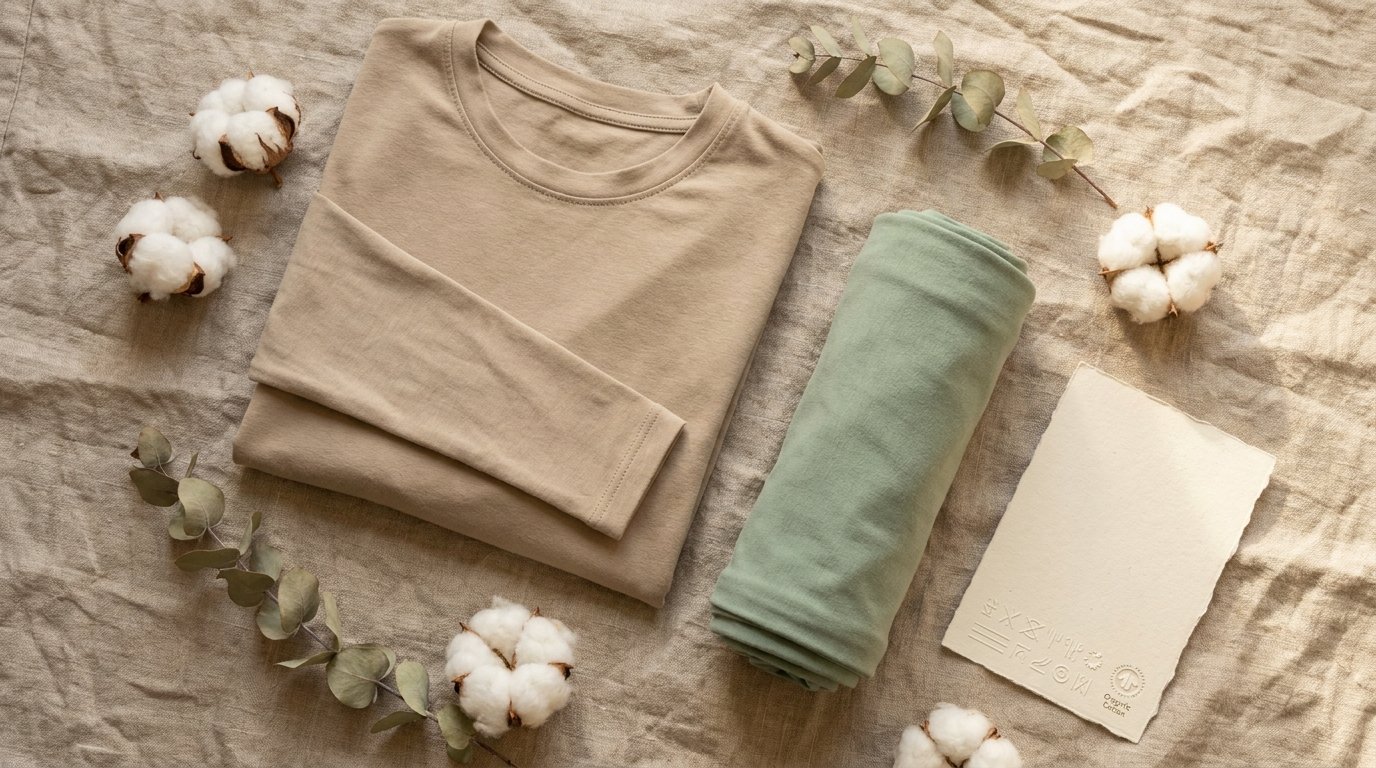
Organic yoga clothing represents the fastest-growing segment in sustainable activewear, with 45% annual growth since 2023. This comprehensive guide covers organic materials, certifications, benefits, and sourcing considerations for B2B buyers.
Key Findings:
Related: Certifications Guide | Fabric Types Guide
Organic yoga clothing is manufactured from materials grown without synthetic pesticides, herbicides, or genetically modified organisms (GMOs). These garments meet strict environmental and social criteria throughout the entire supply chain.
| Aspect | Organic | Conventional |
|---|---|---|
| Pesticides | None (natural alternatives) | Synthetic pesticides |
| Water Usage | 91% less | Standard |
| Soil Health | Improved | Degraded |
| Worker Safety | Protected | Chemical exposure |
| Cost | +30-50% | Baseline |
Requirements: Minimum 70% organic fibers (95% for “organic” label), entire supply chain certified, environmental and social criteria
Cost: $5,000-15,000 first year | Timeline: 8-12 weeks
Market Recognition: Highest standard, required for premium organic claims
Requirements: Tracks organic content from farm to final product, minimum 5% organic
Cost: $3,000-8,000 first year | Timeline: 6-8 weeks
Market Recognition: Good for entry-level organic products
Requirements: 95%+ organic fibers, USDA approved certifier
Cost: $2,000-5,000 annually | Timeline: 8-12 weeks
Market Recognition: Strong in USA market
Requirements: Organic cotton + OEKO-TEX Standard 100
Cost: $3,000-7,000 first year | Timeline: 6-10 weeks
Market Recognition: Strong in EU market
Related: Complete Certifications Guide
Composition: 90-95% Organic Cotton, 5-10% Spandex
Feel: Natural, soft, breathable
Best For: Casual yoga, lifestyle wear, sensitive skin
Cost Premium: +30-50% vs conventional cotton
Certification: GOTS, OCS, USDA Organic
Composition: 70-80% Bamboo Viscose, 20-30% Spandex
Feel: Silky, smooth, naturally antibacterial
Best For: Hot yoga, antibacterial properties
Cost Premium: +25-40% vs conventional
Certification: FSC (bamboo source), OEKO-TEX
Composition: 85-90% Tencel, 10-15% Spandex
Feel: Luxurious, silky, moisture-wicking
Best For: Premium eco-luxury lines
Cost Premium: +40-60% vs conventional
Certification: FSC, OEKO-TEX, EU Ecolabel
Composition: 50-70% Hemp, 30-50% Organic Cotton/Spandex
Feel: Textured, durable, gets softer with washing
Best For: Durable yoga wear, eco-warrior market
Cost Premium: +35-55% vs conventional
Certification: GOTS, OEKO-TEX
| Material | Typical MOQ | Price Range |
|---|---|---|
| Organic Cotton | 100-300 pcs | $12-22/piece |
| Bamboo | 150-350 pcs | $14-24/piece |
| Tencel | 200-400 pcs | $16-28/piece |
| Hemp | 150-350 pcs | $15-26/piece |
Organic Cotton Yoga Leggings (500 pcs order):
Walundi is a certified organic yoga wear manufacturer with GOTS, OEKO-TEX, and BSCI certifications. We serve 500+ activewear brands worldwide with organic cotton, bamboo, Tencel, and hemp options.
| Material | MOQ | Price Range | Lead Time |
|---|---|---|---|
| Organic Cotton | 100 pcs | $12-22/piece | 30-40 days |
| Bamboo | 150 pcs | $14-24/piece | 30-40 days |
| Tencel | 200 pcs | $16-28/piece | 35-45 days |
| Hemp | 150 pcs | $15-26/piece | 35-45 days |
Contact Us:
Get a Free Quote for organic yoga wear.
Published: April 2026 | Categories: B2B Sourcing Guide, Yoga Wear Guides, Manufacturing
Tags: organic yoga clothing, GOTS certified yoga wear, sustainable activewear, organic cotton yoga pants, eco-friendly yoga wear, B2B yoga wear sourcing